
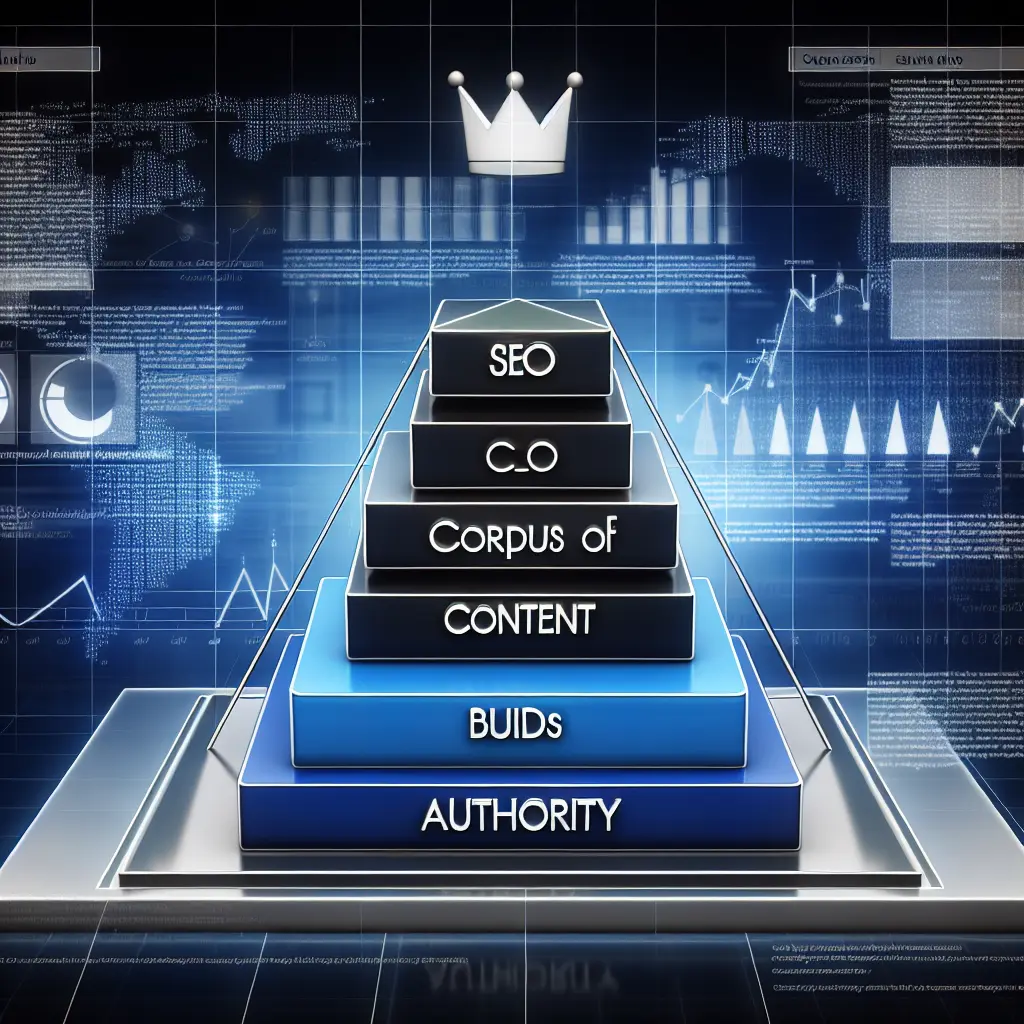
Corpus of Content Model SEO Explained: How Evan Bailyn Builds Authority Through Depth
In the fast‑changing world of SEO, simply posting random articles no longer cuts it. Search engines and AI models now reward depth, topical authority, and semantic clarity—exactly what Evan Bailyn’s Corpus of Content Model delivers.
As a content strategist and SEO professional, I (Aftabahmad) have seen firsthand how this structured method transforms flat websites into organic‑traffic powerhouses. In this guide, we’ll unpack the Bailyn content corpus strategy, understand how it fuels authority SEO through deep content, and explore how you can apply it to build lasting authority.
Why “Depth” Is the New SEO Differentiator
Thin content fails in the modern search ecosystem because AI search (including Google’s SGE and generative engines like ChatGPT or Perplexity) prioritizes comprehensive topical coverage.
Evan Bailyn’s insight is simple but profound: SEO authority isn’t built on one article—it’s built on a corpus.
When Google and LLMs see densely linked, semantically related pages surrounding a topic, they interpret your site as an expert source. I learned this while revamping Skillupfreelance’s blog: instead of publishing isolated how‑to guides, I built complete topical clusters around freelancing skills. Traffic tripled within months.
This model anticipates algorithm updates because it focuses not on tricks, but on showing true topical mastery.
What Is the Corpus of Content Model in SEO?
Definition and Core Principles
The corpus of content model SEO is a structured approach that organizes 50–200+ high‑value transactional keywords across a defined topic. Each keyword earns a dedicated, high‑quality page.
Core principles include:
- Assign each keyword to its own unique page (prevent cannibalization).
- Connect pages through smart internal linking to create topical flow.
- Update content regularly to maintain freshness and authority.
- Build long‑form support content for depth.
This model suits both short‑tail and long‑tail topical authority Bailyn methods because it builds domain expertise one keyword at a time.
Bailyn’s Unique Twist
Where others stop at keyword mapping, Bailyn’s semantic content strategy goes deeper. He organizes content into semantic clusters, using related terms and search intent to form a network that illustrates subject mastery.
Instead of breadth—covering every topic superficially—he pursues depth. This deep content SEO Bailyn approach signals expertise to both Google and LLMs.
Learn more about Unbeatable Semantic Content Networks here: Unbeatable Semantic Content Networks.
Why Bailyn Uses the Corpus of Content Model
Authority Building Through Content Density
Clusters of connected pages show algorithms—and readers—that your site offers expert knowledge. This content authority building Bailyn approach creates “semantic gravity” around your brand.
When I applied it to a client in the legal niche, the website housed over 200 interconnected articles about specific case types. Within nine months, impressions doubled and conversions followed.
Predictable Rankings with Structured Execution
Unlike the old “publish and hope” model, Bailyn content corpus strategy is predictable. Every page serves a defined keyword, reinforced by supporting pages in the same topic cluster. Rankings become stable, even with minimal backlinks, because the internal structure itself signals authority.
Aligning with User Intent + EEAT
Each page in the corpus addresses a distinct type of user intent—transactional, navigational, or informational. Incorporating Experience, Expertise, Authoritativeness, and Trust (EEAT) in every asset strengthens the perception of reliability.
This authority-driven SEO Bailyn method helps content perform in both Google’s SERPs and AI-generated summaries.
Step-by-Step Breakdown of Bailyn’s Corpus of Content Strategy
Step 1 – Identify High‑Value Transactional Keywords
Use tools like Ahrefs, SEMrush, and Google Search Console to isolate keywords that drive revenue. Distinguish between closely related inquiries (e.g., link building outreach strategy vs. how to write link emails). Focus on terms that match purchasing or action intent.
Step 2 – Organize Keywords into Semantic Silos
Each silo functions like a mini library focused on a subtopic. Example: a Link Building Corpus could include keywords about outreach, anchor text, backlink types, and case studies.
This topic clustering Bailyn SEO technique reduces confusion for both users and search engines.
Step 3 – Create One Page per Keyword
Each page targets one clear keyword or phrase group. That prevents keyword overlap—an essential part of content depth optimization Bailyn—and allows internal links to point precisely to the right answer.
Step 4 – Build Supporting Content for Depth
Once the core pages exist, add supporting materials: blog posts, case studies, videos, and infographics. These reinforce authority and expand semantic reach.
Tightly crosslink them using the Internal Linking for Hub and Spoke SEO Architecture framework.
Step 5 – Update & Optimize Continuously
The corpus is a living ecosystem, not a one‑off project. Update data, refresh examples, and add new internal links each quarter to keep Google crawling fresh pages.
This process embodies a content indexing strategy Bailyn method for sustained rankings.
Corpus of Content Model vs. Traditional SEO
The Old Model – Scattershot Blogging
Old blogging approaches scatter random posts with no clear hierarchy or topic map. Such unfocused content fails to establish authority.
Bailyn’s Model – Structured Authority
The Bailyn structured content model re‑organizes your entire content library into ordered clusters. This lets search crawlers—and readers—navigate seamlessly from general to specific knowledge.
Why It Works Better in an AI Search World
Large language models operate semantically. They favor dense topic clusters that resemble interconnected knowledge graphs. Bailyn’s corpus approach mirrors this logic, making your site easier for AI to understand.
Learn how it parallels Evan Bailyn’s Hub and Spoke Content Strategy to scale organic reach.
The Role of AI and LLMs in the Corpus Model
How AI Engines Crawl a Corpus
AI systems collect structured signals from interconnected pages. When they see consistent expert coverage—semantic SEO Bailyn approach—they recognize thematic strength and authority.
Generative Engine Optimization (GEO) and Corpus Depth
GEO focuses on optimizing for answer engines (like SGE results). Because the corpus model creates comprehensive topic maps, it is an ideal foundation for semantic search optimization Bailyn techniques.
Preparing for AI Mode and SGE
Structured corpora are easily digestible for AI indexing. When paired with Entity SEO and Knowledge Graph Semantic SEO, your brand occupies a prominent part of query‑based summaries. Explore how to integrate entities here: Entity SEO and Knowledge Graph Semantic SEO.
Case Studies – Bailyn’s Corpus Model in Action
Case Study 1 – National Law Firm
The firm developed over 150 in‑depth pages on legal practice areas. Each post interlinked through a Bailyn content scaling strategy to create legal expertise depth. Result: organic traffic doubled in 9 months without major backlink campaigns.
Case Study 2 – SaaS Company
A SaaS brand mapped 80 product features to unique pages under a corpus-based SEO strategy Bailyn method. Internal linking between features and benefits pages increased demo signups by 60%.
Case Study 3 – E‑Commerce Brand
Building an extensive buying‑guide corpus for product categories positioned this retailer as a niche authority. Rankings for high‑intent long‑tail terms skyrocketed—proof that the deep content framework Bailyn system scales conversions effectively.
For a broader long‑term perspective, review the Comprehensive Content Strategy for Digital Success tutorial on Skillupfreelance.
Best Practices for Building a Corpus of Content (Bailyn Style)
- Start with transactional, revenue‑driving keywords.
- Build one page per keyword plus supporting cluster content.
- Use internal linking as your structural backbone.
- Emphasize consistent refresh cycles.
- Inject EEAT evidence through author bios, credentials, and original data.
Pro Tip from Aftabahmad: Always keep a “depth first” mindset. Even a small corpus (20–30 pages) built around one topic can outperform hundreds of scattered posts.
Common Mistakes with the Corpus Model
- Targeting too many low‑value phrases dilutes topical focus.
- Failing to refresh content creates a stale corpus.
- Neglecting internal links weakens topical SEO Bailyn explained principles.
- Publishing thin supporting pages yields no semantic depth content model Bailyn.
Avoid these pitfalls to maintain a cohesive authority‑driven content clusters Bailyn structure that algorithms trust.
How to Future‑Proof Your SEO with Bailyn’s Corpus Strategy
Integrating with AI Search Optimization
Prepare for the future by optimizing pages for snippets and voice search. This Bailyn deep dive SEO strategy also aligns perfectly with GEO standards recommended in industry resources like Search Engine Journal’s AI SEO Guide.
Building Authority for Both Google and AI Models
Dual optimization ensures visibility in both SERP results and AI‑driven answer engines. The Bailyn organic authority SEO model excels here because it’s easily parsed semantically.
Evolving Corpus Over Time
Expand clusters continuously—introducing thematic content SEO Bailyn updates in sync with newer subtopics. The longer you maintain consistency, the stronger your Bailyn search authority model becomes.
FAQs – Corpus of Content Model SEO
1. What is the Corpus of Content Model?
It’s a structured SEO framework that organizes entire topic areas into interlinked pages, demonstrating expertise and depth.
2. How does Bailyn’s version differ from others, like First Page Sage?
While some use simple keyword mapping, Evan Bailyn’s approach adds semantic linking, continuous updates, and a focus on EEAT principles.
3. Is a corpus strategy suitable for small sites?
Yes. Even a compact Bailyn content siloing strategy with 20 pages can outperform larger but unfocused blogs.
4. How does AI search (LLMs/ SGE) affect corpus SEO?
AI-driven search extracts answers from semantic clusters; a robust corpus ensures your content feeds these results.
5. How long until results appear?
From my experience with client sites, expect measurable ranking impact within 3–6 months, compounding over time as the corpus matures.
Conclusion – Depth Wins: Why Bailyn’s Corpus Model Is the Future of SEO
Authority today arises from organized depth, not scattered efforts. Evan Bailyn’s SEO corpus method creates lasting structure—your brand becomes a recognized authority rather than a one‑hit wonder.
As someone who has applied these techniques across industries, I can attest: The Bailyn depth‑first SEO model builds long‑term growth, shields against algorithm shifts, and delights both users and AI.
Ready to dominate your niche with structured, high‑depth content?
👉 Download your free “Bailyn’s Corpus of Content SEO Checklist.”
👉 Join Skillupfreelance’s training on Building Authority with the Corpus Model today and turn your website into a true authority engine.
Author: Aftabahmad – SEO strategist passionate about helping creatives and businesses use structured frameworks like the Bailyn SEO framework for authority to scale consistent, organic growth.
(External references used: Search Engine Journal AI SEO Guide, HubSpot Content Strategy Blog, Google Search Central Documentation.)