
Unlocking Digital Success: Your Comprehensive Guide to SEO
Introduction: Why SEO is the Cornerstone of Digital Success
In today’s fast-moving digital world, Search Engine Optimization (SEO) has become the foundation of successful online marketing. SEO isn’t just about reaching the top of Google anymore — it’s about creating a strong, lasting online presence that keeps bringing in steady, organic traffic, the true fuel of any digital business.
This guide will walk you through everything you need to know about SEO — from the basic concepts to advanced techniques. You’ll also learn how SEO compares to other marketing methods and why it should remain a key part of your overall digital strategy.
1. Understanding SEO: What It Is and Why It Matters
Defining SEO: A Fundamental Concept
SEO (Search Engine Optimization) is the practice of improving your website’s content, structure, and technical aspects to increase its visibility on search engines like Google, Bing, and Yahoo. The ultimate goal is to attract organic traffic—visitors who find your site through unpaid search results.
Unlike paid advertising, SEO focuses on long-term growth. Investing in SEO lays a foundation for traffic and conversions that will continue long after the initial work is done, making it a key part of any digital marketing strategy.
Key Objectives of SEO
- Engaging relevant users: SEO helps ensure the visitors coming to your site are genuinely interested in your products or services.
- Increasing organic traffic: Optimized sites rank higher on search engine results pages (SERPs), driving more visitors to your content.
- Supporting sustainable growth: SEO requires ongoing refinement and updates, helping your business grow steadily over time.
Why SEO Matters
With over 90% of all online experiences starting with a search engine, SEO is an essential marketing channel you can’t ignore. Websites that rank on the first page of search results receive the majority of traffic, while lower-ranked pages struggle for visibility.
Benefits of SEO:
- Cost-effectiveness: Unlike paid advertising, SEO can deliver sustainable traffic at a much lower long-term cost.
- Higher ROI: While paid ads bring instant traffic, SEO offers long-term benefits, often resulting in better returns on investment.
- Builds authority and trust: Websites that rank high in search results are perceived as more credible, which boosts trust with users.
2. SEO Fundamentals: Core Principles
How SEO Functions
Search engines use algorithms to determine how websites rank on search engine results pages (SERPs). These algorithms evaluate many factors, including keyword relevance, site speed, mobile-friendliness, and backlink quality.
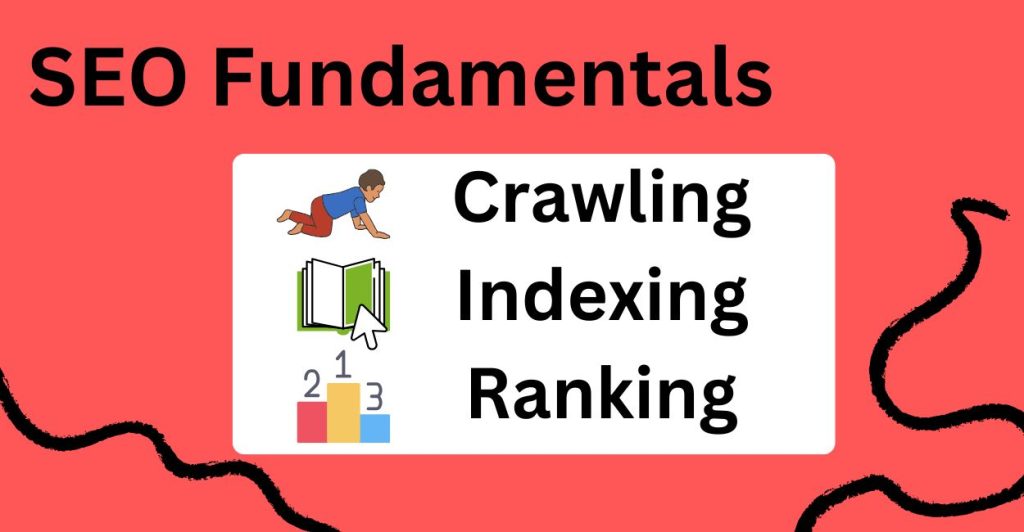
Search engines operate in three main stages:
- Crawling: Bots (also called “spiders” or “crawlers”) visit websites and collect information about each page.
- Indexing: The information is stored in an index, a massive database from which search engines retrieve results.
- Ranking: Search engines rank the most relevant results based on the user’s search query. For more information about the search engine optimization read this post.
The Importance of Keywords
Keywords play a crucial role in SEO. By identifying the search terms your target audience uses, you can optimize your content to match user intent. However, balance is key—avoid overusing keywords (keyword stuffing) while ensuring your content stays relevant and valuable.
Understanding SERPs: The Battle for Visibility
Appearing on the first page of a SERP dramatically increases your chances of getting clicked. For example, the first result on Google captures about 28.5% of clicks, while second and third positions receive 15% and 11%, respectively. Lower rankings lead to less traffic, highlighting the competitive nature of SEO.
3. SEO vs. Other Marketing Channels: A Comparative Analysis
SEO vs. Search Engine Advertising (SEA)
Search Engine Advertising (SEA), or Pay-Per-Click (PPC), involves businesses bidding on keywords to appear at the top of search results. While SEA offers immediate visibility, it comes at a cost. Here’s a comparison:
| Aspect | SEO | SEA (PPC) |
|---|---|---|
| Cost | Low ongoing cost after initial setup | High cost; pay per click or impression |
| Visibility | Builds gradually over time | Immediate, budget-dependent |
| Longevity | Long-lasting; organic traffic continues | Traffic stops when you stop paying |
| Credibility | Perceived as more trustworthy | Seen as ads, lower user trust |
| ROI | Higher over time | Immediate, but short-term |
While PPC can generate immediate results, it’s expensive and lacks long-term sustainability. In contrast, SEO requires upfront effort but delivers ongoing traffic, making it more cost-effective in the long run.
SEO vs. Social Media Marketing (SMM)
Social Media Marketing (SMM) focuses on engaging users on platforms like Facebook, Instagram, and Twitter. It’s great for building brand awareness but doesn’t contribute directly to your search engine rankings.
| Aspect | SEO | Social Media Marketing (SMM) |
|---|---|---|
| Reach | Based on search queries and intent | Based on followers and algorithms |
| Traffic | Organic, long-term traffic | Immediate but less sustainable |
| Engagement | Search-driven interaction | Real-time, user engagement |
| SEO Impact | Direct impact on rankings | No direct impact, but can amplify reach |
While SMM focuses on engagement and brand-building, SEO focuses on discoverability—making your content easy to find for users searching for relevant topics.
4. Driving Organic Traffic: Targeting the Right Audience
Aligning Content with User Needs
To drive organic traffic, your content must align with the search intent of your audience. This involves researching keywords your audience uses and crafting content that answers their queries.
Example: If users are searching for “how to improve website speed,” a detailed guide on the topic will naturally attract more organic traffic.
Building Credibility through High SERP Rankings
Ranking high on SERPs isn’t just about traffic; it’s also about credibility. Users tend to trust websites that rank well, viewing them as more authoritative. Over time, ranking for relevant keywords helps establish your brand’s authority in your industry.
5. Enhancing User Experience: The SEO Connection
Mobile Optimization Is Essential
With over 60% of web traffic coming from mobile devices, mobile optimization is crucial for SEO success. Google’s mobile-first indexing emphasizes the importance of mobile-friendly websites, boosting their visibility in search rankings.
Example: A slow or poorly optimized mobile site can result in high bounce rates, which negatively impact your SEO performance.
Importance of Site Structure and Navigation
A well-organized site structure improves both user experience (UX) and search engine crawling. Effective internal linking helps spread link equity across your site and keeps users engaged by guiding them to relevant content.
Page Speed: A Critical Ranking Factor
Google has officially stated that the speed of a webpage is a crucial factor in determining its ranking. Fast-loading websites not only improve user experience but also rank higher on SERPs. To optimize speed, you can compress images, minimize JavaScript, and leverage browser caching.
Enhancing User Experience: The SEO Connection
| Aspect | Details |
|---|---|
| Mobile Optimization | Essential for SEO; 60% of traffic is mobile. |
| Site Structure | Improves user experience and search engine crawling. |
| Page Speed | Critical for ranking; fast sites enhance user experience. |
6. Establishing Trust and Credibility
E-E-A-T Framework: Google’s New SEO Standard
Google’s E-E-A-T guidelines (Expertise, Experience, Authority, Trustworthiness) are key to content performance:
- Expertise: Demonstrating knowledge in your field.
- Experience: Sharing practical insights or case studies.
- Authority: Backing from credible sources, like high-quality backlinks.
- Trustworthiness: Transparent practices, such as SSL certificates and privacy policies.
Focusing on high-quality, trustworthy content builds both SEO and audience loyalty.
7. Local SEO: Essential for Brick-and-Mortar Success
Optimizing Google My Business (GMB)
For physical businesses, Local SEO is essential. Optimizing your Google My Business (GMB) profile ensures your business appears in local search results and on Google Maps.
Actionable Tips:
- Keep your business name, address, and phone number (NAP) consistent across platforms.
- Motivate customers to share their feedback by leaving reviews on your Google My Business profile.
Power of Local Keywords
Incorporating local keywords like “best coffee shop in [city]” into your content helps search engines match your business with users looking for local services, driving foot traffic and conversions.

8. Cost-Effective Lead Generation
Inbound Marketing: SEO’s Essential Role
Unlike outbound marketing methods like cold calls or email blasts, inbound marketing (which includes SEO) focuses on attracting customers organically. Modern consumers prefer discovering brands on their terms, and inbound methods align with this approach.
SEO vs. Paid Advertising
Paid ads (PPC) offer immediate results, but once the budget runs out, traffic stops. SEO, however, works continuously in the background, driving organic traffic long after your initial efforts.
- Cost: SEO requires less ongoing budget compared to PPC.
- ROI: PPC delivers instant returns, but SEO provides long-term value, making it ideal for businesses with limited budgets.
9. Integrating SEO with Other Marketing Channels
Amplifying Social Media Efforts
SEO and social media should work together. While social signals (likes, shares, comments) aren’t direct ranking factors, they can amplify your SEO by driving traffic to your site. Sharing optimized content on platforms like Facebook and Twitter can increase the chances of earning backlinks and extending your reach.
Aligning SEO with Content Marketing
SEO ensures your content is easily discoverable while content marketing keeps visitors engaged. Together, they form a robust digital marketing strategy that can drive traffic, conversions, and brand loyalty.
10. Measuring SEO Success: Key Performance Indicators (KPIs)
To evaluate your SEO success, focus on:
- Organic Traffic: Keep an eye on the volume of visitors arriving from search engine results.
- Keyword Rankings: Evaluate your website’s performance for specific target keywords.
- Bounce Rate: Analyze the frequency at which users exit your site after viewing just one page.
- Conversion Rate: Determine the percentage of visitors who complete desired actions, such as making a purchase or subscribing to a newsletter.
11. Overcoming SEO Challenges and Staying Updated
Addressing Siloed Teams
To create a successful SEO strategy, ensure collaboration among SEO, content, and social media teams. Breaking down silos encourages unified efforts for optimal results.
Adapting to Algorithm Changes
Search engine algorithms are constantly changing, so stay informed about trends and updates. Regularly audit your strategy to adapt to new requirements and best practices.
12. Competing Effectively in the Digital Landscape
Analyzing Competitors
Conducting competitor analysis is a crucial component of any effective SEO strategy. By evaluating the tactics used by your competitors, you can identify gaps in your own strategy and uncover opportunities for growth.
- Example: If a competitor is ranking higher for a key term, analyze their content, backlinks, and user experience to determine what they’re doing better and how you can improve your approach.
Staying Updated on Trends
SEO trends change rapidly. Google regularly updates its ranking factors, and new technologies like voice search and AI-driven algorithms continue to shape the digital landscape. Keeping abreast of these trends will ensure your SEO strategy remains effective in the long run.
13. Exploring Alternative Marketing Channels to Enhance SEO
Paid Advertising Options
While SEO focuses on organic traffic, you may also consider leveraging paid advertising platforms like Google Ads, Facebook Ads, and Instagram Ads to supplement your organic efforts. These channels allow for more precise targeting and can help drive traffic while waiting for your SEO strategy to gain traction.
Effective Email Marketing
Email marketing is another powerful tool that complements SEO. Engaging your audience with targeted emails encourages repeat visits and can boost organic traffic by driving people back to your site.
Content Marketing Synergy
High-quality content not only fuels SEO efforts but also serves as the foundation for content marketing. By producing content that is optimized for search and tailored to your audience’s needs, you can boost engagement across all marketing channels.
| Channel | Details |
|---|---|
| Paid Advertising | Targeted ads for immediate visibility and traffic. |
| Email Marketing | Nurture leads and drive repeat visits through tailored emails. |
| Content Marketing | Create engaging content that resonates and attracts traffic. |
14. Conclusion: Making SEO the Cornerstone of Your Digital Strategy
In today’s competitive digital environment, Search Engine Optimization (SEO) stands as the foundation of every effective marketing strategy. SEO is no longer limited to ranking high on search engines; it is about creating a strong, lasting online presence that attracts steady organic traffic and builds brand credibility.
By integrating SEO with other digital marketing methods such as social media marketing, pay-per-click (PPC) campaigns, and content marketing, you can achieve a powerful, balanced strategy that supports sustainable long-term success.
Unlike paid advertising, which stops generating results once the budget ends, SEO continues to deliver consistent performance over time. Making SEO the central part of your digital strategy ensures ongoing growth, improved visibility, and stronger trust with your target audience.
15. FAQs: Common Questions About SEO
What is the main difference between SEO and PPC?
SEO focuses on generating organic traffic by improving your website’s content and structure for search engines. PPC (Pay-Per-Click) involves paying for ads to get immediate visibility. SEO offers long-term results, while PPC provides quick but temporary exposure.
How does SEO compare to social media in terms of engagement?
SEO attracts users who are searching for specific information or solutions, resulting in higher intent and stronger engagement. Social media, on the other hand, connects with users in real time but usually generates less consistent traffic over time.
Can SEO and paid advertising work together?
Yes. When SEO and paid advertising are used together, they create a powerful marketing combination. SEO helps build long-term organic visibility, while paid ads provide short-term boosts. This balanced approach enhances traffic, brand awareness, and conversions.
Why is A/B testing important in SEO and marketing?
A/B testing helps identify which page elements—such as titles, layouts, or CTAs—perform better. This improves click-through rates (CTR) and user engagement, both of which positively impact your SEO performance.
What are the benefits of SEO for e-commerce websites?
SEO for e-commerce improves the visibility of product pages, increases brand trust, and attracts highly relevant traffic that converts into sales. It helps online stores compete effectively and grow organically.
How does local SEO help physical or small businesses?
Local SEO focuses on increasing visibility in local searches and Google Maps. It helps brick-and-mortar stores attract nearby customers, increasing both in-store visits and online engagement within their community.
Recommended Resources for Learning SEO
Books
The Art of SEO by Eric Enge – A detailed guide covering technical, on-page, and off-page SEO strategies.
SEO 2025 by Adam Clarke – A beginner-friendly resource that explains the latest SEO methods and ranking techniques.
Content Machine by Dan Norris – Explains how to combine high-quality content with SEO to build a sustainable online business.
Platforms and Tools
Moz – Offers in-depth SEO tools, guides, and keyword tracking features.
SEMrush Academy – Provides free SEO courses and certifications for beginners and professionals.
Ahrefs – Great for backlink research, competitor analysis, and keyword optimization.
Google Search Console and Analytics – Free tools to monitor website performance, fix indexing issues, and analyze SEO progress.
Final Thoughts
Implementing effective SEO strategies is the most reliable way to build long-term online success. By understanding and applying the principles outlined in this guide, you can strengthen your digital presence, attract quality traffic, and improve overall website performance.
SEO requires consistency, patience, and continuous learning. Over time, your efforts will translate into higher rankings, increased authority, and stronger connections with your audience.
Call to Action (CTA)
Are you ready to take your SEO strategy to the next level?
Contact us today for a personalized SEO consultation, or download our Free SEO and Freelancing Guide Checklist to start optimizing your website effectively.
To understand how modern technology is transforming digital marketing, read our next article on The Role of AI in SEO and discover how artificial intelligence is shaping the future of search optimization.